

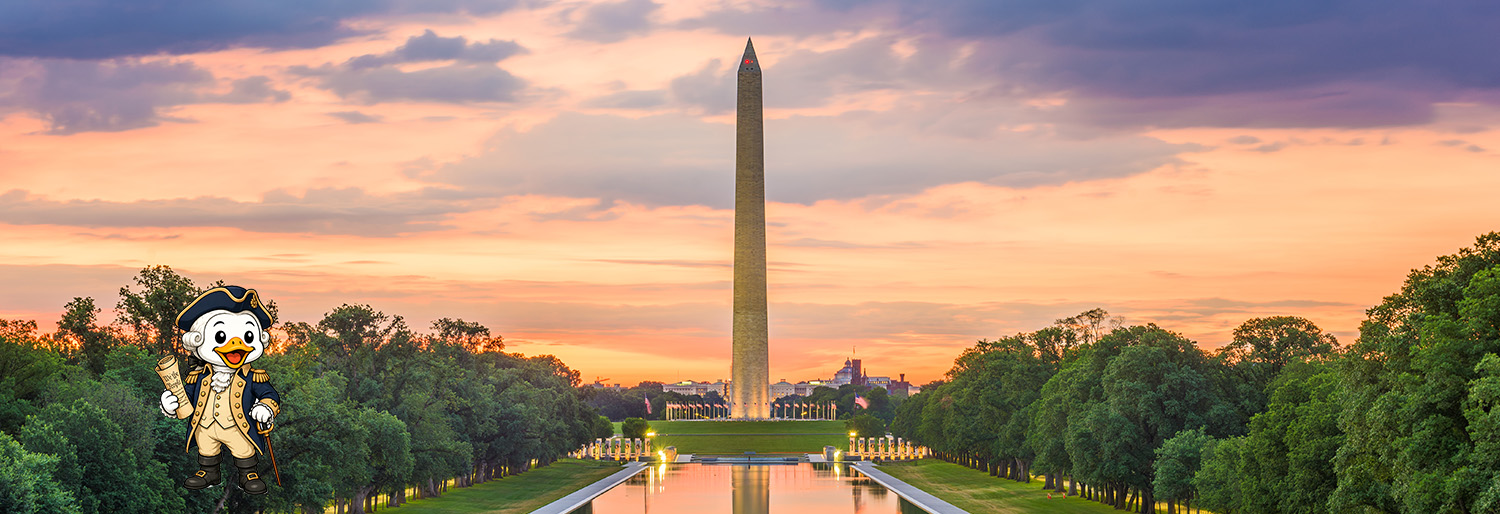
Washington DC
Washington DC feels ceremonial and lived-in at once, where government, memory, and neighborhood life share streets, giving the city a thoughtful, purposeful personality.
It draws people mainly because it turns national history and public life into something you can walk through.
Spring and fall are usually the best times to visit, especially from late March to May and September to early November.
The approximate average annual temperature is about 15 Cº / 59 Fº, so sightseeing feels manageable much of the year.
Also, Washington DC has a calm rhythm that rewards curiosity more than rush, especially around museums, memorials, and local markets.
Travelers come looking for meaning, perspective, beauty, and a stronger sense of how the country presents itself.
It’s very easy to plan an itinerary for Washington, D.C. that’s rich in history, power, and culture
However, the city is not only institutional, because everyday Washington also feels residential, international, educated, and quietly creative.
As a result, time here often feels reflective and energizing, with grand spaces balanced by walkable streets and distinct neighborhoods.
Washington DC in images

Know before you go to Washington DC
Washington DC is the U.S. capital, and what makes it special is how major institutions, neighborhoods, and free public culture sit close together.
Spring and fall usually bring the best mix of weather and city energy. Two to three days fits most first visits, while slower travelers can easily stay longer.
Stay in Dupont Circle for walkability and dining, or Capitol Hill for a calmer base near the Mall. Walk often, then use Metro or buses.
Lunch is usually noon to 2 p.m., dinner 6 to 9 p.m., and 18 to 20 percent tipping is standard. Costs run mid to high. Keep valuables close, and reserve timed-entry museums early.
Accomodation

We have selected the best accommodation options.
Boutique Hotels, Independent Hotels, Hostels, Guest Houses, Vacation Rentals, Apartments, Villas.
Our selection criteria are based on quality and commitment to local sustainability, as well as companies that share Local Secrets’ vision and values.
Exploring Authentic Washington DC

Book Private Transfer in Washington DC

Top things to do in Washington DC
With one day, focus on the National Mall and Capitol Hill, best for culture travelers, families, seniors, and solo visitors. Start early, use Smithsonian Metro, and expect mostly free indoor-outdoor stops, plus a few timed-entry reservations.
With two to three days, add Georgetown, The Wharf, or U Street, depending on whether you want romance, food, nightlife, or slower local time. Group nearby areas because backtracking drains energy and lines.
A week allows markets, guided walks, and extras, often $15 to $40. Summer heat, spring bloom, rain, and kids change priorities, so visit monuments near dusk, switch to museums in bad weather, and use local streets for Washington DC.
Click here to download the Local Secrets app.

Must try local flavours.
Try half-smoke, mumbo sauce wings, Ethiopian platter, cherry blossom pastry, and Rickey. They cover Washington DC street food, comfort, immigrant influence, seasonal sweet, and a drink.
Locals grab half-smokes at chili counters, wings at carryouts, Ethiopian food in dining rooms, pastries at bakeries in spring, and Rickeys at bars by happy hour.
Order like this: “One half-smoke with chili, please,” or “We’ll share a veggie combo.” Expect $8 to $18 low, $20 to $35 mid, and more for seafood.
Vegetarian and gluten-free choices are easy with Ethiopian combos, while lime soda works if you skip alcohol. Pair wings with fries, tip 18 to 20 percent, and use mumbo sauce carefully.
Authentic, high quality local favourites
In Washington DC, the best local favourites are neighborhood taverns, market counters, carryouts, Ethiopian dining rooms, and independent coffee shops, not places built for monument traffic.
A true local favourite is somewhere residents return to on ordinary weekdays, not only when visitors are in town. Good signs include short menus, repeat customers, and direct staff.
Order one signature item, one side, and one drink. Capitol Hill suits market browsing, Shaw and U Street fit nightlife, and Adams Morgan works well for dinner.
Go before peak hours, expect $ to $$$, and check whether Metro is nearby. Skip places with souvenir-heavy decor, giant menus, or empty lunch counters near major landmarks.
4 Most Popular Itineraries + 2 Secret Spots You Can’t Miss
First-Time Essentials: U.S. Capitol, Library of Congress, National Mall, Washington Monument, World War II Memorial, Lincoln Memorial
Museums and Monuments Day: National Museum of American History, National Museum of Natural History, National Gallery of Art, Martin Luther King Jr. Memorial, Franklin Delano Roosevelt Memorial, Jefferson Memorial
Georgetown and Waterfront: C&O Canal, Book Hill, Georgetown Waterfront, Kennedy Center Terrace, The Wharf, Arena Stage area
Culture After Dark: National Museum of African American History and Culture, Shaw, U Street, Howard Theatre area, Dupont Circle, Adams Morgan
Secret Spot, Quiet History: President Lincoln’s Cottage, Franciscan Monastery, Hillwood Estate, Meridian Hill Park, Spanish Steps, Dumbarton Oaks
Secret Spot, Local Memory: Frederick Douglass National Historic Site, Anacostia Community Museum, Kenilworth Aquatic Gardens, Congressional Cemetery, Lincoln Park, Eastern Market
Festivals and events calendar
National Cherry Blossom Festival, spring celebration, usually late March to mid-April, annual, about three weeks, Tidal Basin and National Mall, mostly free, go weekday mornings, because crowds and hotel prices rise fast.
Passport DC, diplomatic culture festival, annual in May, month-long, embassy neighborhoods and citywide, mostly free, arrive early for open houses, however lines can limit same-day entry.
Capital Pride Celebration, LGBTQ+ culture and community, annual in June, about a week, citywide and 14th Street, mix of free and ticketed events, book central hotels early because closures increase.
Smithsonian Folklife Festival, living cultures and traditions, annual in late June or early July, around a week, National Mall, free, go early for shade, as heat and security lines build.
DC JazzFest, jazz showcase, usually around Labor Day, annual, several days, The Wharf and citywide venues, free and ticketed shows, reserve headline sets early, waterfront crowds grow at night.
DowntownDC Holiday Market, artisan shopping and seasonal food, annual from mid-November to late December, several weeks, F Street NW, free entry, weekday afternoons feel easier, nearby dining and transit stay busy.
Recommended shop for authentic, high quality gifts and souvenirs
Shop Made in DC: District-made gifts with real maker roots. Buy candles, prints, or pantry items. $$, Georgetown or The Wharf. Best value: curated gift boxes.
Eastern Market weekend vendors: Handmade crafts with neighborhood history. Buy ceramics, jewelry, or prints. $$, Capitol Hill. Go Saturday morning for the strongest selection.
Smithsonian museum stores: Collection-linked gifts with lasting quality. Buy design books, posters, or jewelry. $$, National Mall. Best value comes after visiting the exhibit.
Politics and Prose: Independent bookstore with real Washington character. Buy signed books, notebooks, or literary gifts. $$, upper Northwest. Ask for staff picks.
Salt & Sundry: Stylish gifts from independent makers. Buy candles, barware, or pantry items. $$, Union Market. Smaller accessories usually give the best value.
Discover the Authentic Washington DC


