

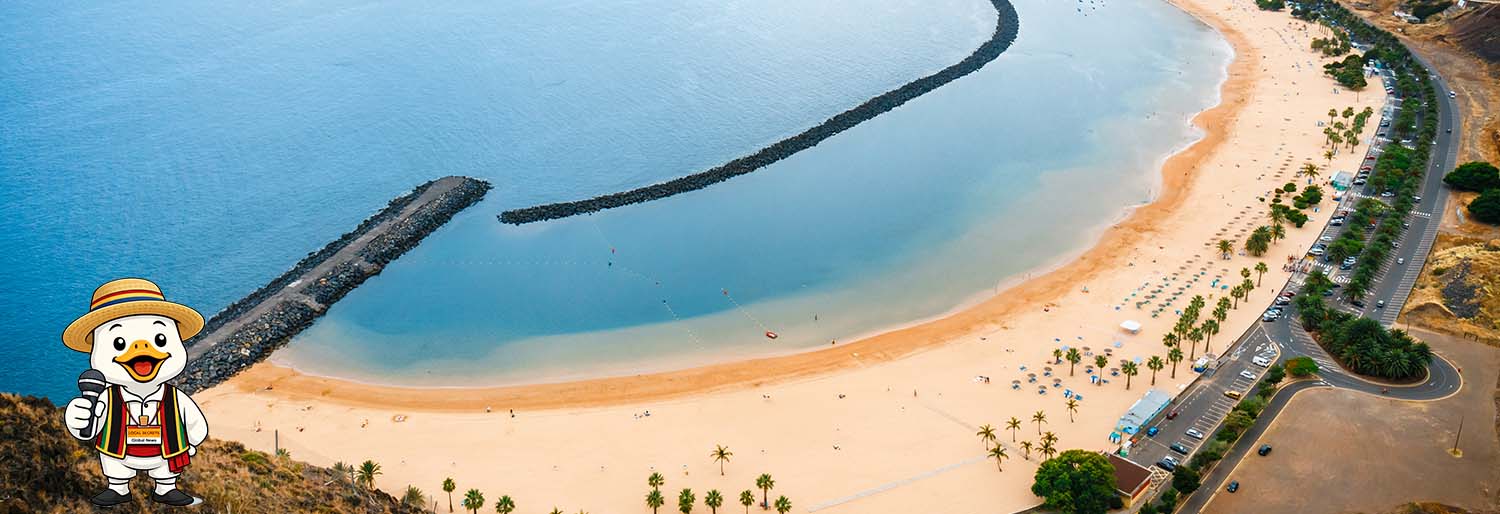
Tenerife Island
Tenerife Island feels expansive and varied, shaped by volcanic landscapes, coastal towns, pine forests, black-sand beaches, and the constant presence of Mount Teide.
People come mainly because the island offers dramatic scenery and a strong sense of contrast.
Because of that, Tenerife Island can feel sunny and relaxed in one area, then rugged and almost otherworldly in another.
The best time to visit is usually from March to June and from September to November.
However, Tenerife Island works well year-round, which is one of its biggest strengths.
The approximate average annual temperature is about 21ºC / 70ºF.
Travelers often look for mild weather, sea access, outdoor freedom, and a destination that balances comfort with character.
Meanwhile, the island also attracts visitors interested in nature, local culture, village life, and more active experiences.
Its personality comes from diversity rather than from one single image.
As a result, Tenerife Island appeals to travelers who want beauty, movement, and a more layered version of Atlantic island life.
Tenerife Island in images

Know before you go to Tenerife Island
Tenerife Island is the largest of the Canary Islands, and what makes it special is the way volcanic nature, seaside towns, and different microclimates exist within one destination.
Spring and fall usually offer the best balance of weather, light, and lower pressure, although winter is also popular for sunshine. Two to three days works for a short escape, while a week or more makes far more sense if you want to understand the island.
Stay in La Laguna or Santa Cruz for culture and city life, or in Costa Adeje if sea access and resort comfort matter more. A car is the most practical choice. Lunch often starts around 2 pm, dinner around 8:30 or 9 pm. Budget ranges from medium to high.
Accomodation

We have selected the best accommodation options.
Boutique Hotels, Independent Hotels, Hostels, Guest Houses, Vacation Rentals, Apartments, Villas.
Our selection criteria are based on quality and commitment to local sustainability, as well as companies that share Local Secrets’ vision and values.
Exploring around Tenerife Island


Book Private Transfer in Tenerife Island

Top things to do in Tenerife Island
On Tenerife Island, families often prioritize beaches and animal-free nature parks, while couples and solo travelers usually get more from Teide, La Laguna, and the northern coast. Food lovers should divide time between local guachinches and market areas, while hikers will naturally look inland.
With one day, stay focused on one zone, south coast, north towns, or Teide. With two to three days, combine Teide National Park, La Laguna, and a coastal village. A week gives the island proper scale. Roads are good, but distances feel longer than they look.
Teide is iconic because it defines the island, while places like Taganana or Garachico feel more local. Go early to Teide to avoid traffic.
Click here to download the Local Secrets app.

Must try local flavours.
Try papas arrugadas con mojo, because they are the most recognizable Canarian dish and show how simple ingredients carry strong identity. Also look for gofio, ropa vieja, fresh grilled fish, and queso asado, all common in local dining culture.
For sweets, bienmesabe and almond-based desserts are worth trying, while local wines from Tenerife pair well with grilled dishes and cheeses. Order like a local by saying, “Unas papas con mojo, por favor,” or “Queso asado para compartir.”
Lunch is the best moment for heavier traditional dishes, usually in guachinches or family-run restaurants. Expect roughly €4 to €8 for starters and €12 to €22 for mains. Non-alcoholic options are easy, and tipping stays modest.
Authentic, high quality local favourites
On Tenerife Island, authentic local favorites are usually guachinches, family-run seafood houses, old-town cafés, produce markets, and small wine-focused restaurants. A real local favorite is a place residents return to for trust, flavor, and consistency, not for a polished tourist image.
Look for short menus, local wine by the glass, seasonal fish, and staff who explain dishes simply. Good orders include papas with mojo, grilled cheese, or fish of the day. Northern towns often feel more rooted in everyday island life, while the south is more mixed.
Midday is usually the best time, especially for guachinches. Expect € to €€ most often. Choose places busy with locals and avoid oversized multilingual menus near resort strips.
4 Most Popular Itineraries + 2 Secret Spots You Can’t Miss
Classic Tenerife First Day: Teide National Park, Roques de García, La Orotava, Puerto de la Cruz, Lago Martiánez, sunset viewpoint
South Coast and Sea Route: Costa Adeje, Playa del Duque, La Caleta, Los Gigantes, Masca viewpoint, seafront dinner
History and Culture Route: San Cristóbal de La Laguna, Cathedral area, Plaza del Adelantado, Santa Cruz, Mercado de Nuestra Señora de África, Auditorio surroundings
Nature and Villages Route: Anaga Rural Park, Taganana, Benijo, mountain viewpoint, forest trail, coastal stop
Secret Spot, Northern Character: Garachico, natural pools, old harbor area, Icod de los Vinos, Drago surroundings, quiet plaza stop
Secret Spot, Rural Tenerife: Teno highlands, small hamlets, terraced landscapes, local mirador, traditional path, isolated coastline view
Festivals and events calendar
Carnival of Santa Cruz, costume and street celebration, usually February or March, about two weeks in Santa Cruz, mostly free, go at night, lodging and traffic get difficult.
Romería de San Benito, traditional pilgrimage and folk dress, usually July, one main day in La Laguna, free, arrive early, central streets become crowded.
Corpus Christi in La Orotava, flower carpets and religious tradition, usually June, one main day in La Orotava, free, visit early, streets can close.
Fiestas de Mayo, local identity and cultural events, usually May, several days in Santa Cruz, mostly free, evenings feel livelier, parking can be slow.
Bajada de la Virgen del Socorro, coastal pilgrimage and devotion, usually September, one day in Güímar, free, morning is best, local traffic increases.
Christmas and Three Kings Events, festive parades and seasonal lights, usually December to early January, across island towns, mostly free, weekends get busier.
Recommended shop for authentic, high quality gifts and souvenirs
Mercado de Nuestra Señora de África: Local food products and island specialties. Buy mojo, cheeses, sweets. € to €€. Santa Cruz. Go in the morning for the best atmosphere.
Traditional wine shops: Tenerife wines with real local identity. Buy volcanic wines, honey rum, small gourmet products. €€. North and central towns. Ask for small producers.
Artisan pottery stores: Handmade ceramics with island character. Buy bowls, plates, decorative pieces. €€. La Orotava or La Laguna. Choose signed work when possible.
Canarian textile and craft shops: Local embroidery and woven pieces. Buy table linens, bags, handmade details. €€. Historic towns. Compare materials before choosing.
Almond sweet shops: Traditional island pastries and gift boxes. Buy bienmesabe, almond sweets, biscuits. €. Northern towns. Smaller boxes travel better.
Discover the Authentic Tenerife Island


