

Sintra
Sintra feels like a town where mist, stone, gardens, and old imagination still shape daily life.
Its main appeal is the way landscape and architecture merge, creating a destination that feels theatrical, intimate, and historically grounded for many visitors.
Also, people come for atmosphere as much as monuments, because the setting itself carries much of the emotional weight.
The best months are usually March to May and September to October, when light, temperatures, and crowd levels feel easier.
The average annual temperature is about 15.7 Cº / 60.3 Fº, although conditions can change fast across the hills.
Meanwhile, some travelers want romance and heritage, while others look for cooler air, walking routes, and reflective time.
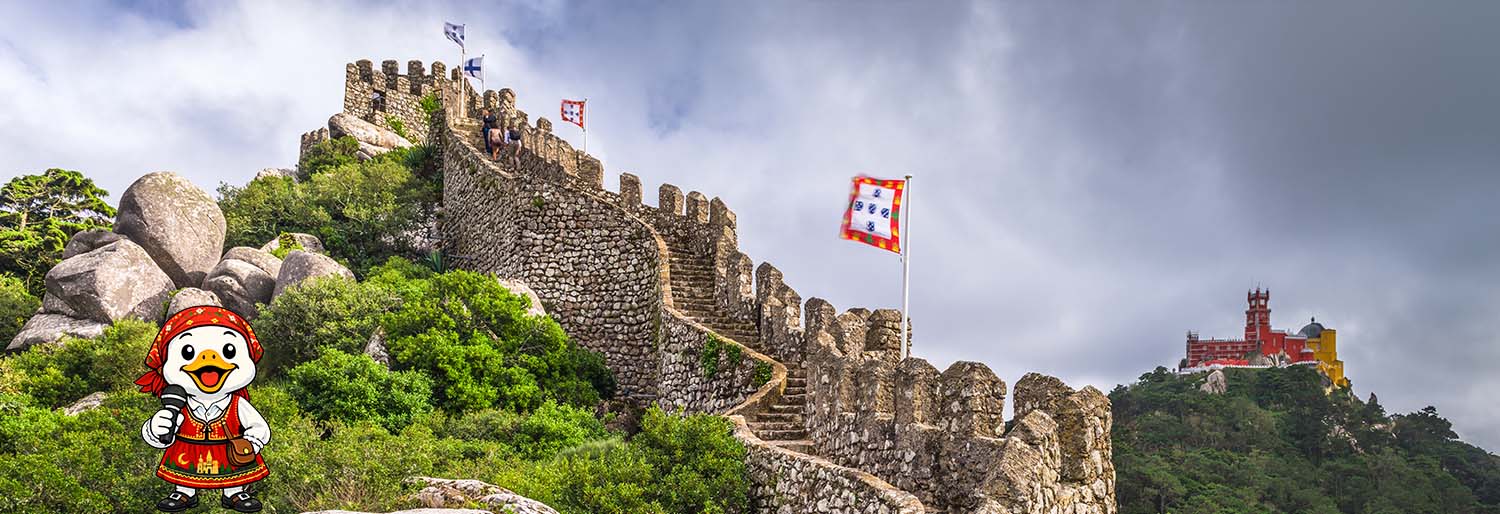
Sintra is also a UNESCO Cultural Landscape, so its identity comes from the relationship between palaces, forest, gardens, and mountain scenery.
As a result, even a short stay can feel layered, atmospheric, and richer than many longer destination stops for first-time visitors.
Sintra in images

Know before you go to Sintra
Sintra is a hill town near Lisbon, special because palaces, forest, and village life still sit inside one protected cultural landscape.
Spring and early fall usually balance cooler weather, lower stress, and clearer walking conditions.
One day works for highlights, two to three days suits slower travelers, and more helps if you want the coast too.
Stay in the historic center for atmosphere, or near São Pedro for quieter evenings and easier access.
Also, walking works downtown, buses and tuk-tuks help uphill, and a car suits the coast more than the center.
Lunch is usually 12:30 to 3:00, dinner 7:30 to 10:00, budgets run mid to high, and buying monument tickets early prevents the worst queues.
Accomodation

We have selected the best accommodation options.
Boutique Hotels, Independent Hotels, Hostels, Guest Houses, Vacation Rentals, Apartments, Villas.
Our selection criteria are based on quality and commitment to local sustainability, as well as companies that share Local Secrets’ vision and values.
Exploring around Sintra

Book Private Transfer in Sintra

Top things to do in Sintra
Couples and culture travelers should prioritize Pena, Regaleira, and the National Palace, while families may find Monserrate and the toy museum easier at a gentler pace.
With one day, group Pena and the Moorish Castle or Regaleira and town, because crossing the whole mountain wastes time.
Also, two to three days lets you add Monserrate, Cabo da Roca, and Colares, while a week makes room for trails and the coast.
Most palace visits are paid, usually €12 to €20, and morning slots need advance booking, especially for Pena.
Rainy days work better for the National Palace, small museums, and pastry stops, while kids often cope better with one major monument per half day.
Use the 434 bus or taxis uphill, and arrive before 9:30 when lines, parking, and staircase fatigue are all lower.
Click here to download the Local Secrets app.

Must try local flavours.
Queijadas de Sintra are small cheese-and-cinnamon pastries with medieval roots, usually eaten midmorning or with afternoon coffee.
Travesseiros are flaky almond-filled pastries, best warm from old pastry shops, and they matter because they became the town’s signature sweet.
Colares wine reflects the coastal side of the municipality, while Negrais suckling pig is the richer savory classic for lunch.
Also, locals often pair pastries with coffee, order “Uma queijada e um travesseiro, se faz favor,” and expect about €2 to €4 each.
You will also find sweeter or larger variations, while vegetarians can focus on pastries, soups, and simple cheese plates.
If you skip alcohol, choose coffee or juice, and tip modestly unless service is unusually attentive.
Authentic, high quality local favourites
A true local favorite in Sintra is a place residents still use on ordinary weekdays, not just after palace hours.
Look for pastry shops, taverns, small grills, wine cellars, and old cafés with short menus or one clear specialty.
Quality shows in steady local traffic, clear product turnover, honest service, and shelves that focus on regional goods instead of generic souvenirs.
Order queijadas, roast pork, or a glass of Colares wine, depending on whether you are in the center, São Pedro, or toward Colares.
Also, late morning and lunch are strongest, prices usually range from € to €€, and older venues may have stairs or tight seating.
To keep it credible, avoid places with pushy hosts, huge photo menus, or pastries that look dry by noon.
4 Most Popular Itineraries + 2 Secret Spots You Can’t Miss
Classic Sintra Center: National Palace of Sintra, Quinta da Regaleira, São Martinho Church, Sintra Historic Center, Piriquita area, Vila Sassetti
Hilltop Icons: Park and National Palace of Pena, Moorish Castle, Chalet and Garden of the Countess of Edla, Cruz Alta, Pena Park, Seteais viewpoint
Coast and Wine Route: Sintra Historic Center, Colares, Colares Regional Wine Cellar, Azenhas do Mar, Praia Grande, Cabo da Roca
Slow Sintra for Families: National Palace of Sintra, Monserrate Palace, Monserrate Park, Parque da Liberdade, historic center cafés, Praia das Maçãs
Secret Romantic Gardens: Villa Sassetti, Chalet of the Countess of Edla, Monserrate Park, Quinta de Ribafria, Seteais gardens, São Pedro de Penaferrim
Secret History and Solitude: Convent of the Capuchos, Peninha Sanctuary, Colares village, Capuchos forest trails, Adega de Colares area, Cabo da Roca cliffs
Festivals and events calendar
Camellia Exhibition, flower heritage, usually late February or early March, yearly, two days, historic Sintra, mostly free, go early, and central streets feel busier around midday.
Festival de Sintra, classical music and performance, usually June, yearly, about ten days, monuments and gardens, ticketed, book evening sessions early, and lodging demand rises.
PERIFERIAS, performing arts, usually spring or early summer, yearly, several days, Sintra venues, mixed free and ticketed, check the program early, because locations vary.
Sintra Portugal Pro, bodyboarding, usually early September, yearly, about five days, Praia Grande, free shoreline viewing, go before wind builds, and beach parking fills fast.
Feira das Mercês, rural fair and traditions, usually October weekends, yearly, about six days, Mercês, free, arrive near lunch, and local traffic can slow access.
Reino de Natal, Christmas program, usually December, yearly, several weeks, Parque da Liberdade and the center, mostly free, evenings feel best, and weekends get crowded.
Recommended shop for authentic, high quality gifts and souvenirs
Sintra Bazar: Historic Portuguese crafts shop. Buy ceramics, embroidery, and filigree. €€ to €€€; smaller pieces give better value. Old Town, and mornings feel calmer.
Colares Regional Wine Cellar: Authentic regional wine stop. Buy Colares bottles, tasting sets, and wine gifts. €€ to €€€; ask for smaller formats first. Colares, easiest by car.
Parques de Sintra Shops: Museum-quality store network. Buy books, reproductions, and stationery. € to €€€; best value is printed material. Monument sites, so shop after visiting.
Casa Piriquita: Historic pastry gift stop. Buy travesseiros, queijadas, and boxed sweets. € to €€; take-away works best. Old Town, and early hours mean shorter waits.
Dona Estefânia: Traditional pastry maker listed among Sintra’s queijada houses. Buy queijadas, travesseiros, and cookies. € to €€; mixed boxes save money. Sintra area, better before late afternoon.
Discover the Authentic Sintra


