

Quito
We would like to introduce you to the best travel guide for Quito for first-time visitors to Discover Quito’s local secrets.
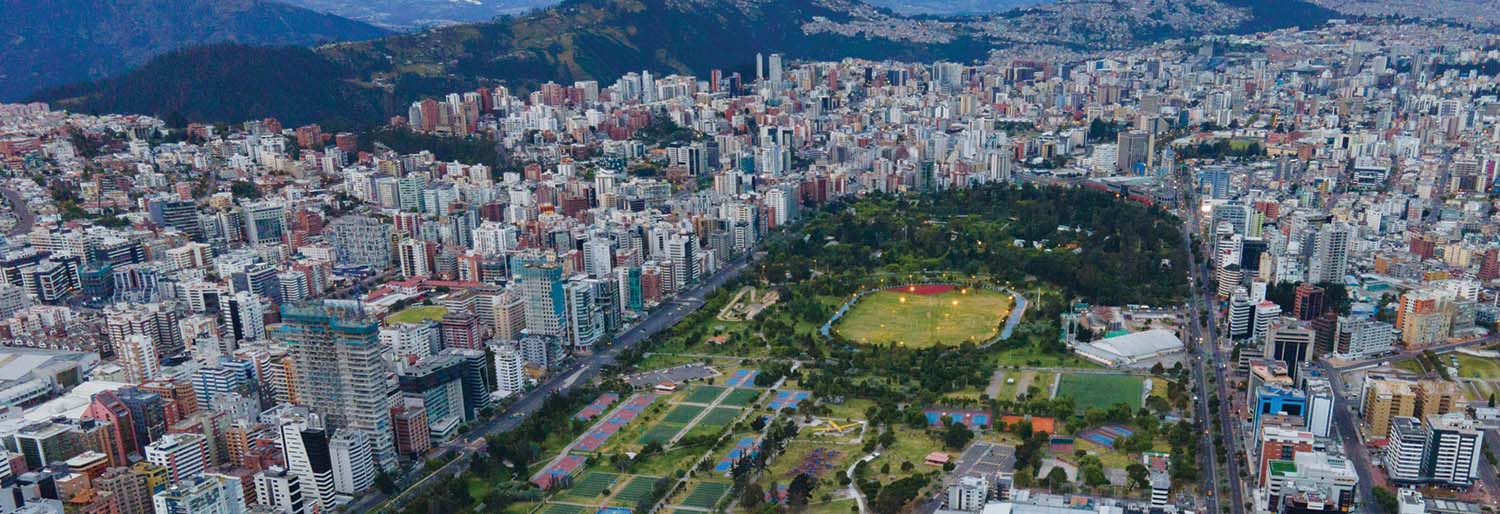
Quito is Ecuador’s capital, Located high in the northern Andes, set on a long valley near the equator.
Moreover, the city counts roughly two million residents, so it feels metropolitan while still human-scaled.
Additionally, average temperatures hover around 14 to 15°C year-round, with cool nights and strong sun at midday.
Meanwhile, visitor numbers vary by source and season, yet the city commonly welcomes hundreds of thousands of international tourists annually.
Therefore, people come for its cultural significance, historical depth, mountain setting, and local identity, rather than for a single headline attraction.
Finally, the most comfortable time is the drier season, typically June through September, when skies are clearer and walking is easier.

Divorced eggs

Church and Convent of San Francisco
Arriving to Quito
To begin with, most travelers arrive through Mariscal Sucre International Airport, then continue by taxi, shuttle, or private transfer.
Additionally, long-distance buses connect Quito with many Ecuadorian cities, although flight arrivals remain the simplest option.
Consequently, choosing where to stay shapes your experience, because Quito’s districts feel very different from one another.
For convenience, the Historic Center suits travelers focused on heritage streets and early mornings, since many highlights sit nearby.
Meanwhile, La Mariscal offers hotels, cafés, and nightlife, therefore it works well for first-time visitors who want services close.
Likewise, La Floresta feels creative and relaxed, so it is ideal for coffee culture, small galleries, and a calmer evening pace.
Moreover, Iñaquito is modern and practical, with malls and business towers, plus quick access to city transport.
Regarding mobility, Quito combines metro service, bus corridors, and neighborhood lines, so moving by zones is usually most efficient.
Furthermore, ride-hailing and registered taxis are widely used, especially at night, because hills and distances can surprise newcomers.
Importantly, Quito’s altitude can affect energy, so hydrate, pace your walking, and plan lighter activities on day one.
As for food, expect hearty Andean flavors, soups, corn-based sides, roasted meats, and strong local snacks sold in markets.
Additionally, markets are useful for learning everyday culture, because you see ingredients, rhythms, and social customs in real time.
What to see includes colonial-era urban design, churches, civic squares, viewpoints, and contemporary neighborhoods with distinct character.
Consequently, recommended experiences include guided cultural walks, museum time, local food tastings, craft shopping, and short trips to nearby nature.
Finally, for photography and outdoor plans, clearer months improve visibility, therefore the drier season is often preferred.
Accomodation
Looking for a unique hotel experience?

Local Secrets has selected a variety of unique hotels that make lodging a special experience. These hotels share the vision of quality and service that we want for our travelers.
Want to feel like home?

Local Secrets has developed a network of professional experts in tourist accommodations committed to quality and service to guarantee a unique experience to our travelers.
Currency: The official currency of Ecuador is the US dólar.
Keep in mind before travelling to Quito
First, Fiestas de Quito, typically late November and early December, celebrates the city with concerts, parades, and community events.
Additionally, Semana Santa brings major religious processions, therefore it attracts visitors interested in tradition and ritual practice.
Meanwhile, Carnaval, usually February or March, adds playful street energy, music, and water-based customs across the city.
Moreover, the Quito Light Festival, often in August, uses projections and installations, so the historic streets transform after dark.
Furthermore, the International Sacred Music Festival, commonly around Easter season, offers concerts in heritage venues and churches.
Likewise, documentary and independent film events appear throughout the year, therefore cinema becomes a strong cultural thread.
Finally, citywide arts and performance seasons, including theatre and contemporary dance programs, create another reason to plan your dates carefully.

Tips to visit Quito
Locals are called Quiteños, and greetings are simple, “Hola”, “Buenos días”, and the friendly “¿Cómo estás?”.
Additionally, Spanish is dominant, while English appears in tourism, and Indigenous languages may be heard in markets.
Regarding work routines, offices often run roughly 9:00 to 18:00, therefore mornings are productive and evenings social.
Meal times are usually lunch around 13:00, then dinner around 19:00 to 20:30, although schedules vary by neighborhood.
For clothing, wear layers and sun protection, because days can shift from warm to cool quickly at altitude.
On healthcare, Ecuador has a national public network and social security services, yet visitors should rely on travel insurance for coverage.
Typical expressions include “¡Qué chévere!”, meaning “That’s great”, and “De una”, meaning “Sure, right away”.


