

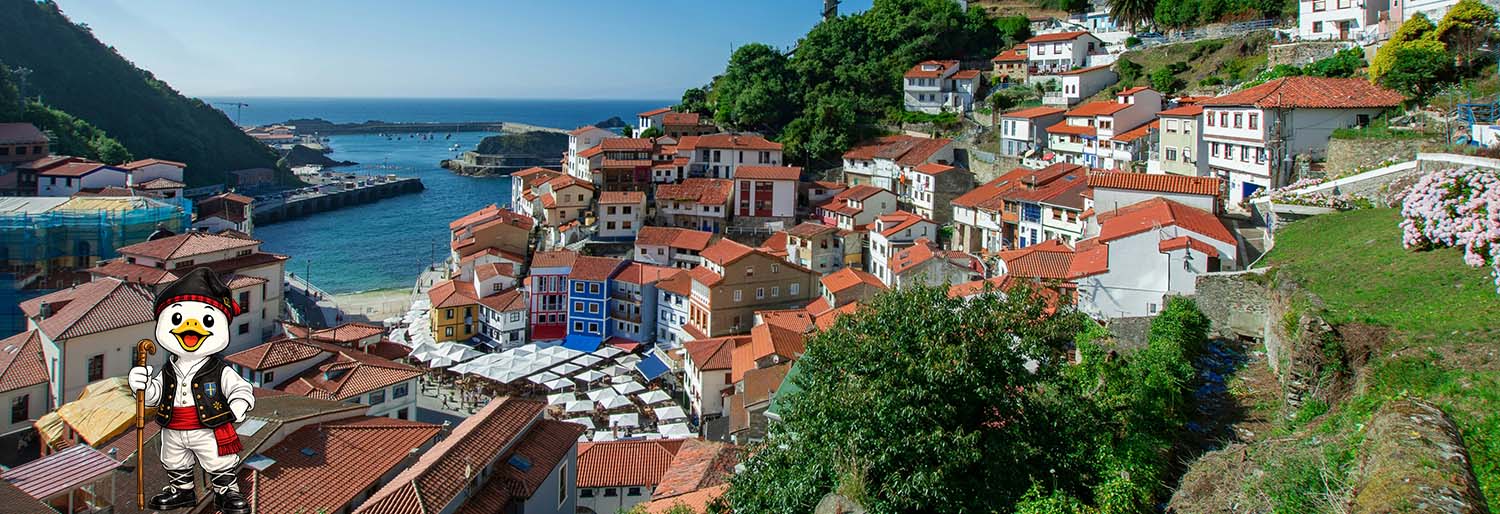
Asturias
Asturias is Spain’s green Atlantic corner, where cliffs, valleys, cider houses, and old towns create a grounded, deeply local atmosphere.
It feels calm yet expressive, because daily life is tied to weather, food, tradition, and strong regional pride.
The main reason to go is the rare balance between landscape, heritage, and local culture, all still closely connected.
Many travelers visit for nature, while others look for history, gastronomy, slower rhythms, and a strong sense of place.
The best time to visit is usually May through September, for longer days, greener roads, and easier access to coast and mountains.
However, autumn also suits Asturias if you prefer cooler air, dramatic skies, and fewer visitors.
The average annual temperature is about 14 Cº / 57 Fº, with mild summers and wetter, cooler winters.
So tourists choose Asturias when they want authenticity, scenic variety, and a trip shaped more by atmosphere than urgency.
In fact, food and identity are closely linked here.
Asturias in images

Know before you go to Asturias
Asturias is a region in northern Spain, and what makes it special is how closely beaches, mountains, cider culture, and historic towns sit together in one compact trip.
Late spring to early fall is easiest for weather and road travel, while 2 to 3 days works for a first visit and a week suits hikers or slow travelers. Stay in Oviedo for culture or Gijón for a coastal city base.
A car gives the most freedom, however trains and buses connect the main cities well. Lunch is usually 2 to 4 pm and dinner after 9 pm. Budget is mid-range, safety is generally good, and reserve Covadonga transport early in peak season.
Accomodation

We have selected the best accommodation options.
Boutique Hotels, Independent Hotels, Hostels, Guest Houses, Vacation Rentals, Apartments, Villas.
Our selection criteria are based on quality and commitment to local sustainability, as well as companies that share Local Secrets’ vision and values.
Exploring around Asturias


Book Private Transfer in Asturias

Top things to do in Asturias
In Asturias, couples and culture travelers should prioritize Oviedo’s old town and pre-Romanesque sites, while families often prefer Gijón’s beach and aquarium area, and nature lovers should focus on Picos, Somiedo, or Covadonga. One day fits one zone, 2 to 3 days fit city plus coast, and a week allows mountain routes.
For an easy plan, spend 2 to 3 hours in Oviedo’s center early morning, mostly free, then add a taxi or bus to Naranco monuments, paid and best booked ahead in peak months.
For a bigger day, Covadonga and the Lakes take 6 to 8 hours, weather matters, and summer access is controlled, so public transport is often smarter. Meanwhile, Gijón’s Cimavilla and seafront work well in rain-light conditions, and a sidrería lunch is the best kid-friendly backup. Expect roughly €10 to €25 museums and transport, and €15 to €35 for lunch.
Click here to download the Local Secrets app.

Must try local flavours.
Try fabada asturiana, a rich bean stew tied to home cooking, cachopo, breaded veal with filling, Cabrales cheese, bold and cave-aged, merluza a la sidra, fish cooked with cider, carbayones, almond pastries, and sidra natural, the region’s signature drink.
Locals usually eat fabada or cachopo at lunch, pastries in the afternoon, and cider with tapas or dinner. Order “una sidra natural” or “un cachopo para compartir, por favor.” Good places are sidrerías, market bars, and traditional dining rooms.
Expect roughly €3 to €5 for pastries, €6 to €12 for cheese plates, and €18 to €35 for mains. Vegetarian travelers can look for local cheeses or vegetable plates, and non-drinkers can ask for water or apple juice. Tipping is modest, usually just rounding up.
Authentic, high quality local favourites
In Asturias, the best local favorites are usually sidrerías, casas de comidas, covered markets, and village shops that locals actually use more than photograph. A real local favorite means repeat neighborhood custom, not just a pretty facade near the main square.
Look for handwritten menus, seasonal products, visible cider pouring, steady lunchtime traffic, and staff who can explain what arrived that day. Order one regional cheese, a cider-paired main, or a simple menú del día.
Oviedo suits culture-led stays, Gijón suits relaxed coastal trips, and smaller towns fit rural detours. Best hours are late morning markets and long lunches. Prices usually sit around € to €€€, and accessibility varies, because older centers have slopes, stairs, and cobbles.
4 Most Popular Itineraries + 2 Secret Spots You Can’t Miss
Classic Cities of Asturias: Oviedo Cathedral, Calle Gascona, Monte Naranco, Cimavilla, San Lorenzo Beach, Laboral City of Culture
Coast and Villages Route: Cudillero, Cabo Vidio, Luarca, Tazones, Lastres, Ribadesella
Mountain Icons: Covadonga Sanctuary, Lakes of Covadonga, Cangas de Onís, Ruta del Cares, Bulnes, Poncebos
Food and Cider Trail: El Fontán Market, a sidrería in Oviedo, Nava Cider Museum, a llagar visit, Cabrales Cheese Cave, Gijón market stop
Secret Spots, Sacred and Historic: Santa Cristina de Lena, San Miguel de Lillo, Santa María del Naranco, Tuñón churches, San Salvador de Valdediós, Camín Real fragments
Secret Spots, Craft and Anthropology: Taramundi knife workshops, Mazonovo, Os Teixois, Museo Etnográfico de Grandas de Salime, Puerto de Vega, Santalla artisan area
Festivals and events calendar
Descenso Internacional del Sella, canoeing and riverside celebration, usually first Saturday of August, one main day plus related events, Arriondas to Ribadesella, free to watch, arrive early, roads and lodging fill fast.
Festival de la Sidra Natural de Nava, cider culture and pouring contests, usually July, several days, Nava, mostly free, go by late afternoon, town center gets crowded and parking tight.
Certamen del Queso de Cabrales, cheese and rural tradition, last Sunday of August, one intense main day plus weekly activities, Arenas de Cabrales, mostly free, book early nearby.
Semana Negra de Gijón, books, concerts, debates, and fairground energy, usually July, around ten days, Gijón, mostly free, evenings are busiest and nearby lodging rises.
Festival Intercélticu d’Avilés y Comarca, Celtic music and culture, usually summer, several days, Avilés and nearby areas, mixed free and ticketed events, check schedules early.
Antroxu de Gijón, Asturian carnival, usually February or March, several days, Gijón, mostly free, parade day is the best moment, central streets can close.
Recommended shop for authentic, high quality gifts and souvenirs
Mercado El Fontán: Food market classics, authentic because locals shop here daily. Buy cheese, preserves, sweet pastries. Price €-€€. Oviedo old town. Go in the morning for best produce.
Mercado del Sur: Strong for local food gifts and everyday quality. Buy canned seafood, cheeses, and market snacks. Price €-€€. Central Gijón. Pair it with a weekday lunch nearby.
Cuchillería de Taramundi: Handmade knives with real craft value. Buy pocket knives, customized blades, or small utility pieces. Price €€-€€€. Taramundi. Ask about materials before buying.
Museo de la Sidra shop: Best for cider-related gifts with cultural context. Buy bottles, glasses, and themed products. Price €-€€. Nava. Visit the museum first so purchases feel more meaningful.
Mercado Artesano y Ecológico de Gijón: Monthly craft market with strong regional identity. Buy leather goods, jewelry, honey, or jams. Price €-€€. Plaza Mayor, Gijón. Check dates because it is not daily.
Discover the Authentic Asturias


